
Frequently Asked Questions about Cement Raw Materials Grinding Mill in Malaysia
1. What raw materials are commonly ground for cement production in Malaysia?
In Malaysia, the most common raw materials for cement production include limestone, clay, silica sand, and corrective materials such as iron ore. Limestone provides calcium oxide, while clay supplies silica, alumina, and other essential components required for clinker formation.
2. Why is a dedicated grinding mill important for cement raw materials?
A dedicated cement raw materials grinding mill ensures stable product fineness, uniform chemical composition, and efficient downstream kiln operation. Proper grinding improves raw meal reactivity, reduces fuel consumption in the kiln, and enhances overall cement production efficiency.
3. What type of grinding mill is suitable for limestone and clay?
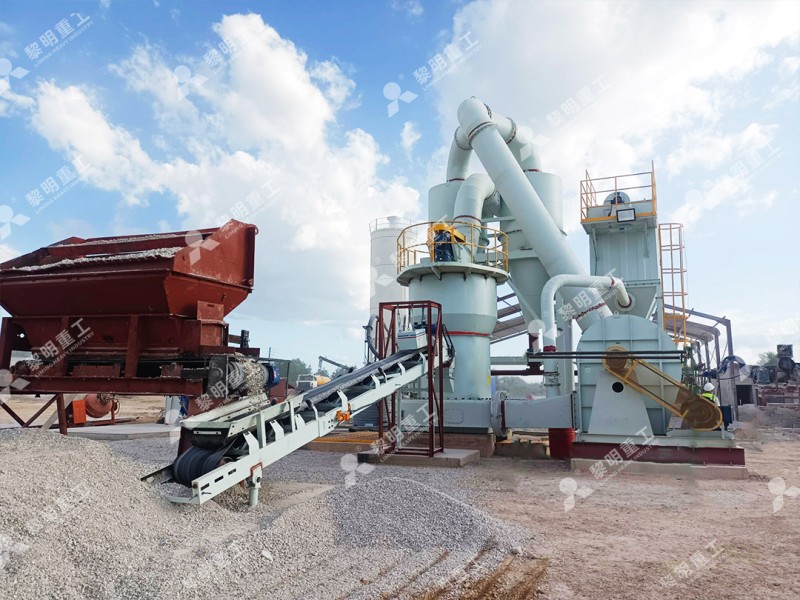
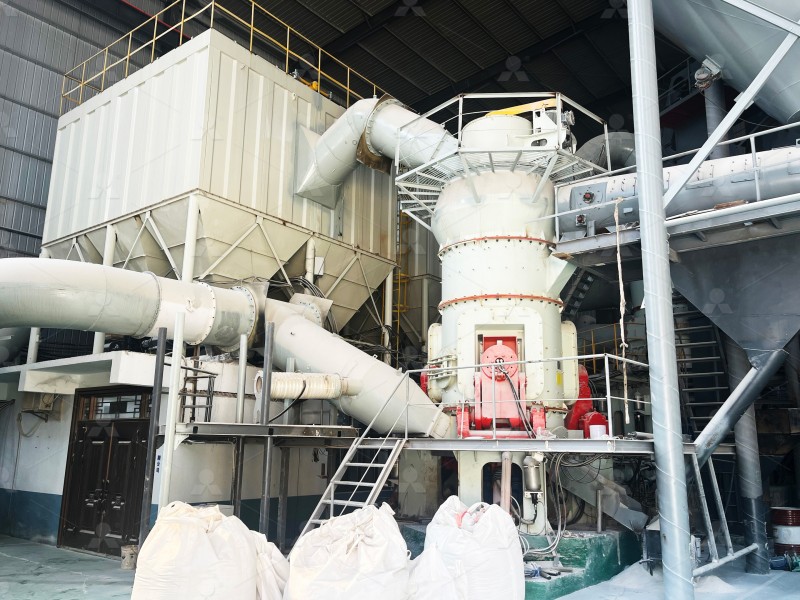
Vertical roller mills and modern Raymond-type grinding mills are widely used for grinding limestone and clay. These mills can handle varying moisture levels, provide adjustable fineness, and offer high grinding efficiency for cement raw materials.
4. What fineness is typically required for cement raw meal?
Cement raw meal is usually ground to a fineness of 80–200 mesh, depending on kiln type and process requirements. Consistent fineness helps ensure stable clinker quality and smooth kiln operation.
5. What is the typical production capacity of a cement raw materials grinding mill?
Grinding mill capacity varies based on raw material hardness, moisture content, and required fineness. Common capacities range from a few tons per hour for small plants to over 50 tons per hour for large-scale cement production lines.
6. Can one grinding mill process both limestone and clay?
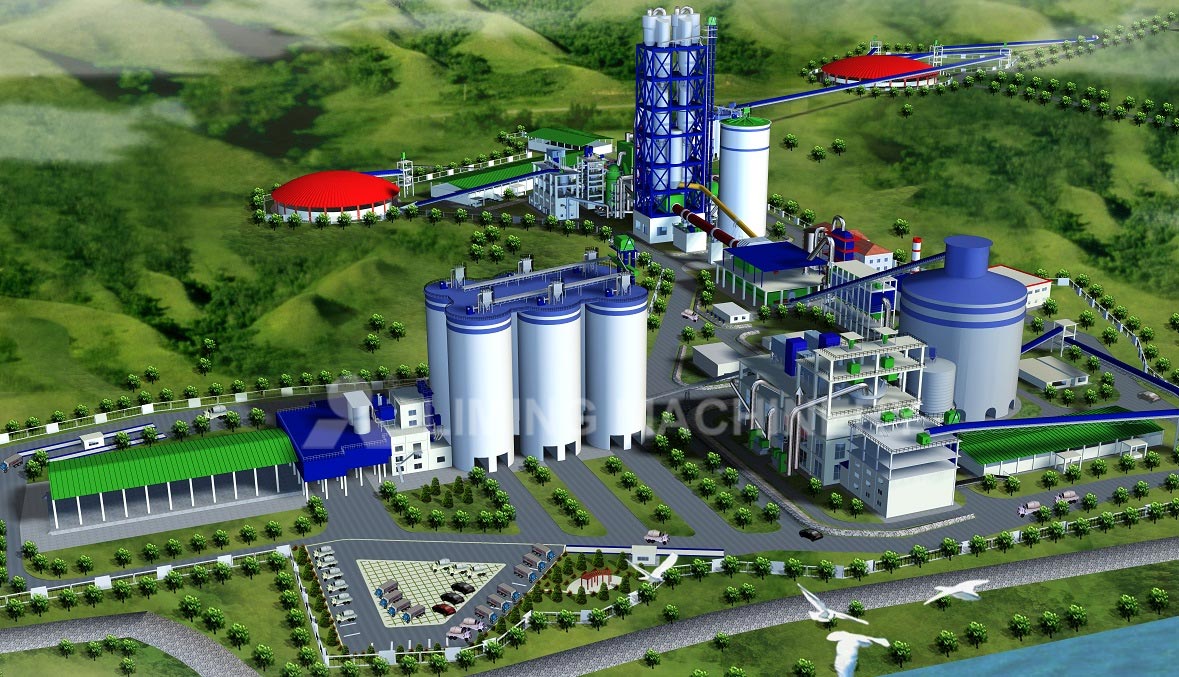
Yes, a properly configured grinding mill can process both limestone and clay. In many cement plants, these materials are dried and ground together to form a homogeneous raw meal before entering the kiln system.
7. How does grinding efficiency affect cement production costs?
Higher grinding efficiency directly reduces power consumption per ton of material. Efficient mills lower operating costs, minimize wear parts replacement, and contribute to more stable long-term cement plant operation.
8. Is environmental performance important for cement grinding mills in Malaysia?
Yes, environmental compliance is increasingly important in Malaysia. Modern cement grinding mills are designed with efficient dust collection systems and optimized airflow to reduce emissions and meet local environmental regulations.
9. What factors should be considered when selecting a cement raw materials grinding mill?
Key factors include raw material properties, required capacity, target fineness, energy consumption, plant layout, and long-term maintenance costs. Choosing the right grinding solution helps ensure reliable cement production and lower total operating costs.
10. Can a cement raw materials grinding mill support future capacity expansion?
Many modern grinding mills are designed with scalability in mind. With proper planning, capacity can be increased by upgrading auxiliary equipment or optimizing process parameters without replacing the entire grinding system.