Where to get dolomite grinding mill for construction aggregate and concrete in India
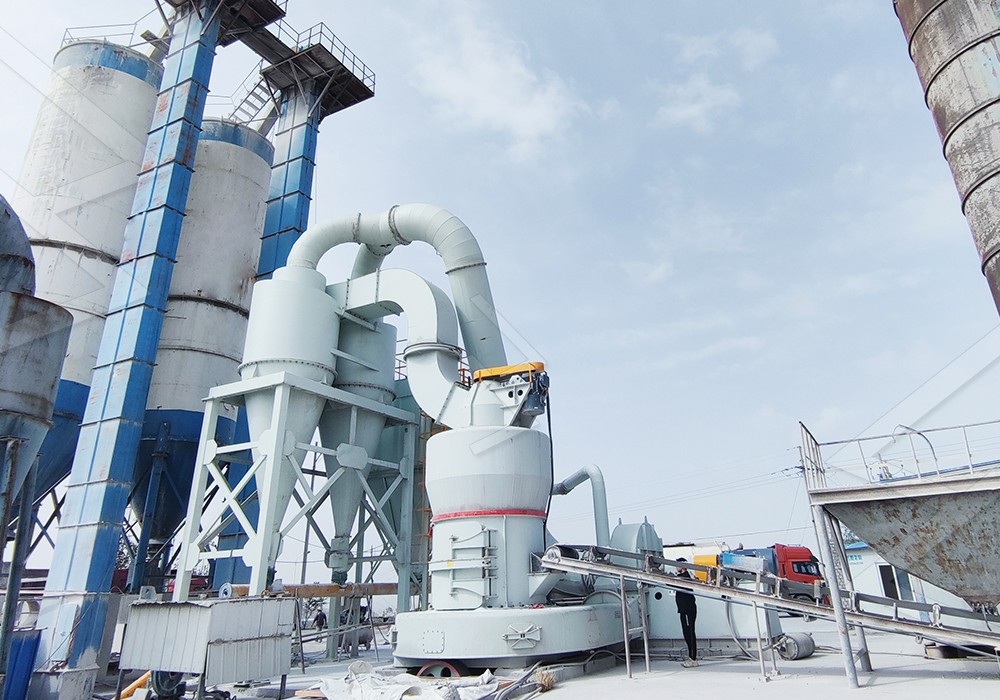
Powering India's Infrastructure: A Guide to Sourcing Dolomite Grinding Mills for Concrete and Aggregate
I have spent the better part of twenty years visiting stone crushing zones and industrial parks across the Indian subcontinent. From the granite-rich belts of Telangana to the mineral hubs of Rajasthan, the story is always the same: India is building. The demand for concrete, asphalt, and construction aggregate is not just growing; it is evolving. We are no longer in an era where "any stone will do." With the tightening of river sand mining regulations and the push for higher compressive strength in concrete for high-rise infrastructure, the quality of mineral fillers has become paramount.
Dolomite is central to this evolution. Used as a high-quality aggregate and a crucial mineral filler in concrete mixes, processed dolomite adds durability and density that limestone sometimes lacks. But here is the challenge I see site owners facing every day: How do you process abrasive dolomite efficiently without destroying your profit margins on electricity and wear parts?
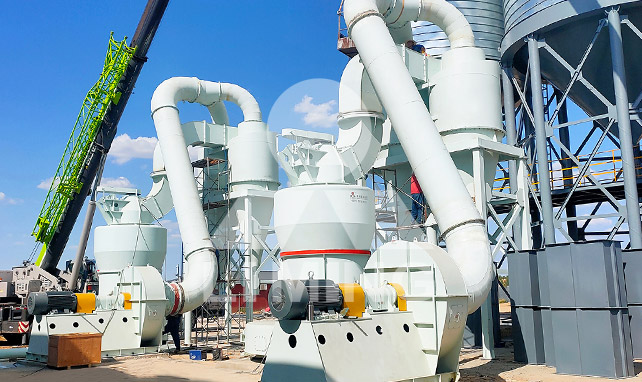
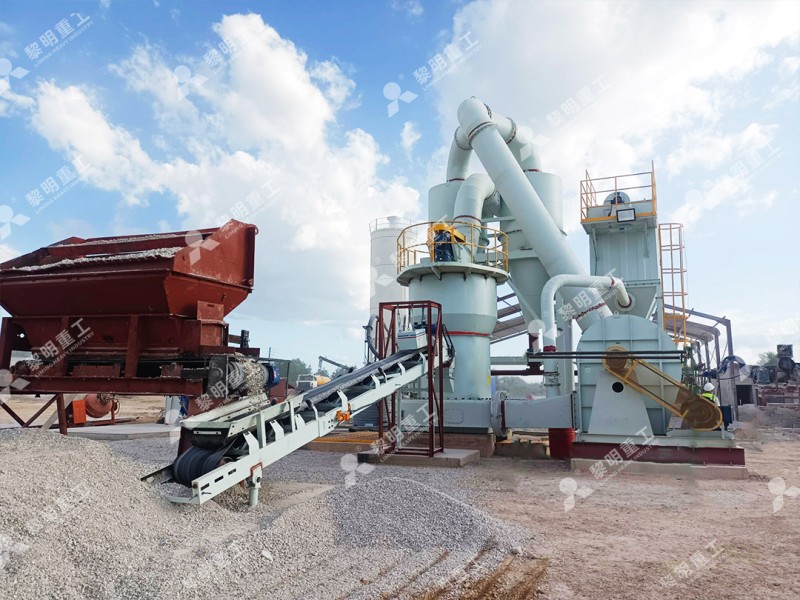
If you are in the market for a dolomite grinding mill in India—whether for producing fine construction sand or micro-powder for concrete admixture—you are likely overwhelmed by options. As someone who lives and breathes powder processing, I want to cut through the noise. This article focuses on the two most reliable technologies for the Indian market: the upgraded Raymond Mill (MTW) and the Vertical Roller Mill (LM), specifically those engineered by Liming Heavy Industry.
The Indian Context: Why Equipment Choice Matters More Now
In India, the operational environment is unique. We deal with extreme heat, fluctuating power grid stability in remote areas, and the infamous monsoon season which turns raw stockpiles into wet, sticky challenges. Furthermore, the cost of industrial electricity in many Indian states is rising.
Therefore, buying a cheap, unbranded mill is often a death sentence for a project. I have seen too many plant owners buy generic local mills only to shut down every three days for repairs or find that their energy bill consumes their entire profit margin. To succeed in the competitive Indian construction materials market, you need machinery that offers high availability (uptime) and low specific energy consumption (kWh per ton).
The Mid-Scale Solution: Liming MTW European Trapezium Mill
For decades, the traditional Raymond mill was the standard. It was simple, but it was flawed. It relied on outdated belt drives, had issues with sealing, and maintenance was a nightmare of greasing and bearing replacements.
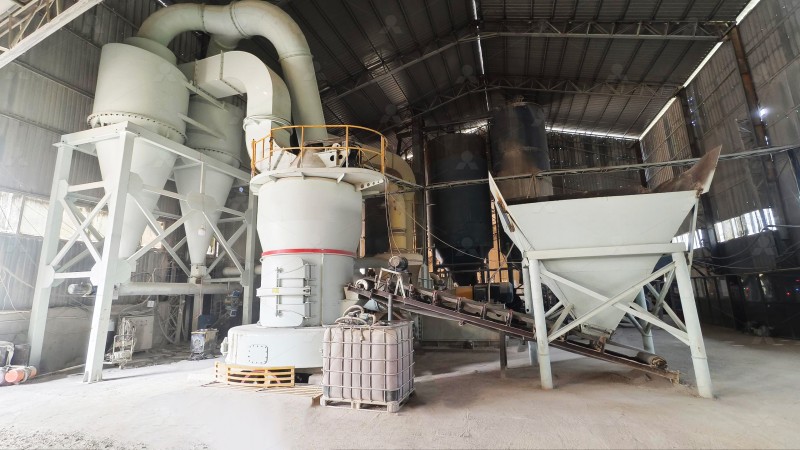
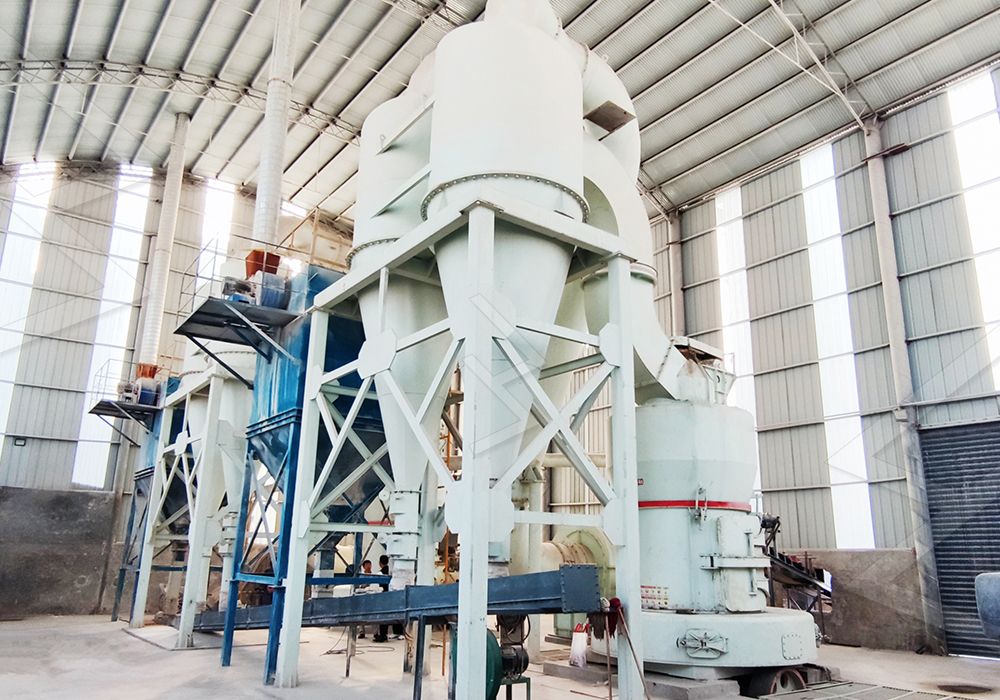
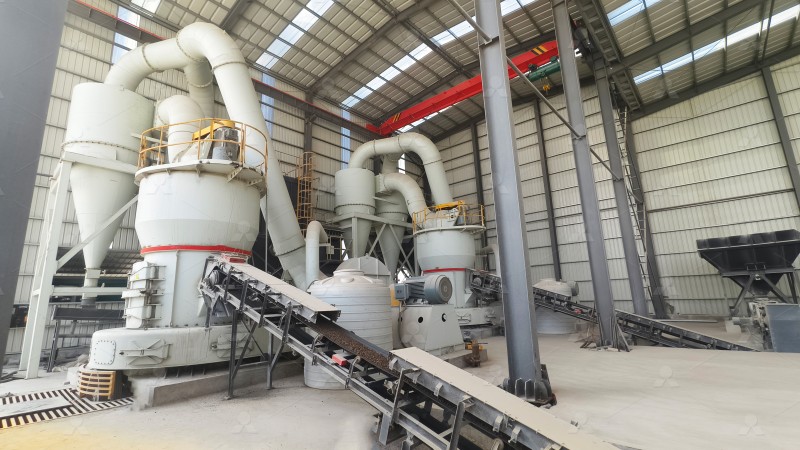
If you are a small-to-medium enterprise (SME) targeting production rates between 5 to 25 tons per hour—perhaps supplying a local batching plant or a specific construction project—my recommendation is the Liming MTW Series.
Why the MTW works for Indian Dolomite:
The Drive System: The traditional Raymond mill uses a belt drive, which slips, wears out, and loses power. The Liming MTW uses a bevel gear integral drive. It is compact, enclosed (safe from dust), and transmits power far more efficiently. In a dusty quarry environment, this reliability is non-negotiable.
Handling Hardness: Dolomite is harder than standard limestone. Standard rollers wear out fast. The MTW utilizes a unique trapezium working surface and curved air duct design. This ensures that the material is ground more effectively with every rotation, reducing the wear rate per ton of final product.
Oil Recycling: One of the biggest headaches for operators is lubrication. The MTW comes with an internal thin-oil lubrication system. It cools the bearings better and removes the need for frequent manual greasing shutdowns.
I often tell clients: The MTW is the "Honda" of grinding mills. It is not the most massive machine on earth, but it runs forever, parts are accessible, and it gets the job done without fuss.
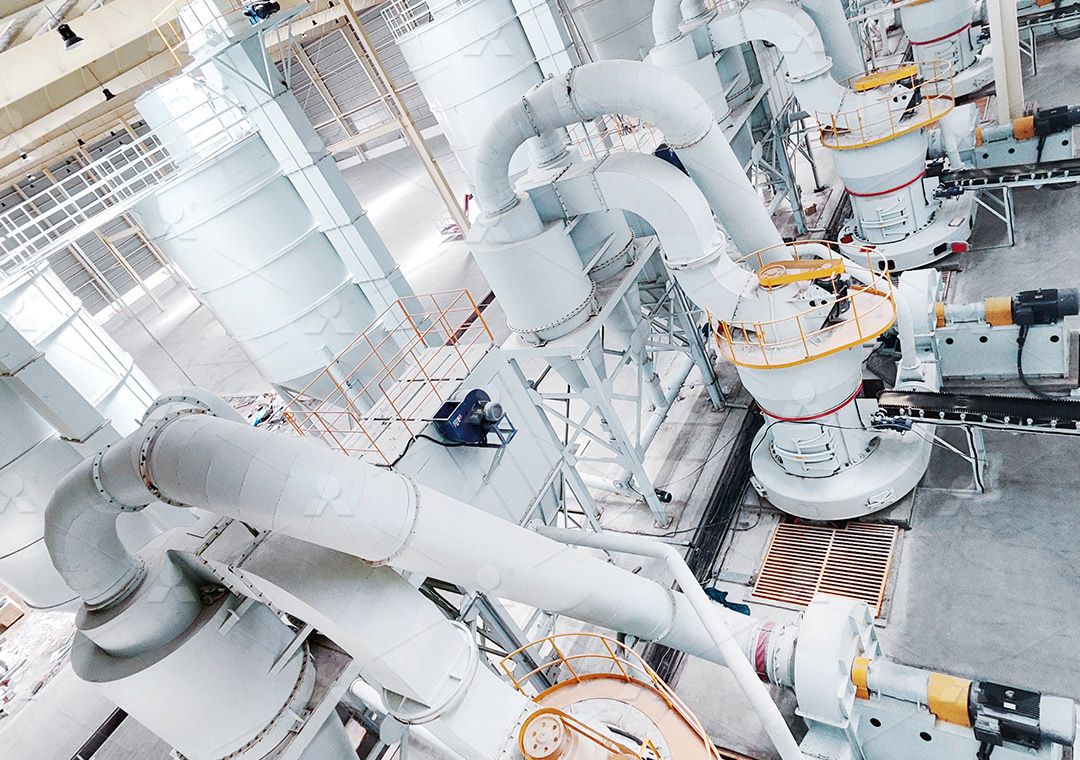
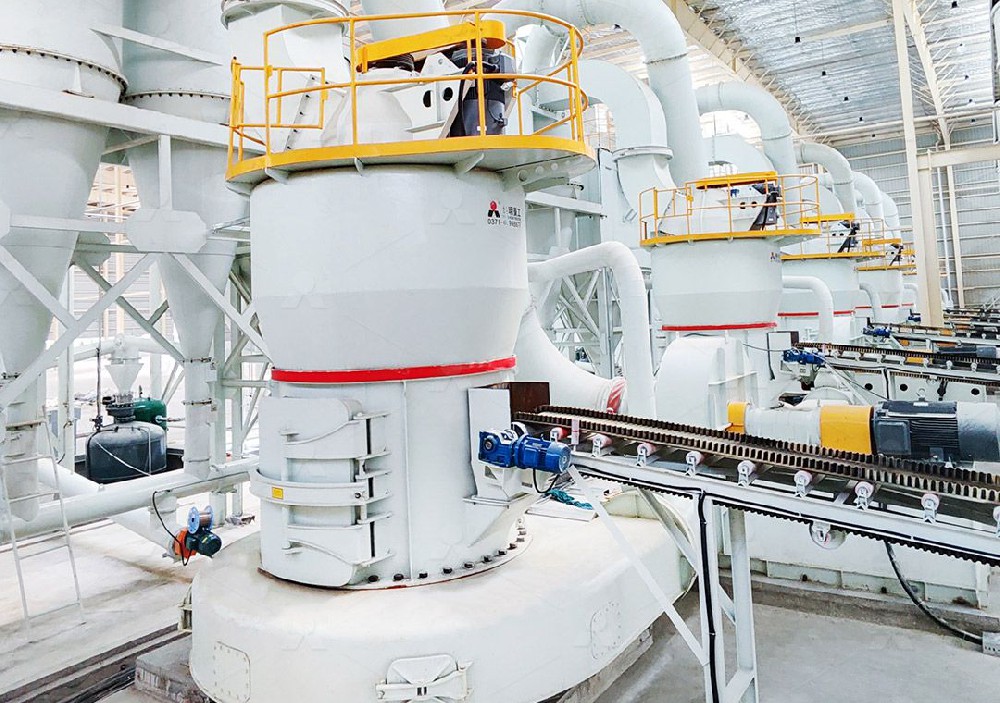
The Large-Scale Solution: Liming LM Vertical Roller Mill (VRM)
Now, let's talk about the big leagues. If you are supplying major infrastructure projects, cement plants, or large-scale ready-mix concrete (RMC) chains, you need volume. We are talking 40, 60, or 100+ tons per hour. At this scale, multiple Raymond mills become inefficient due to the footprint and labor required.
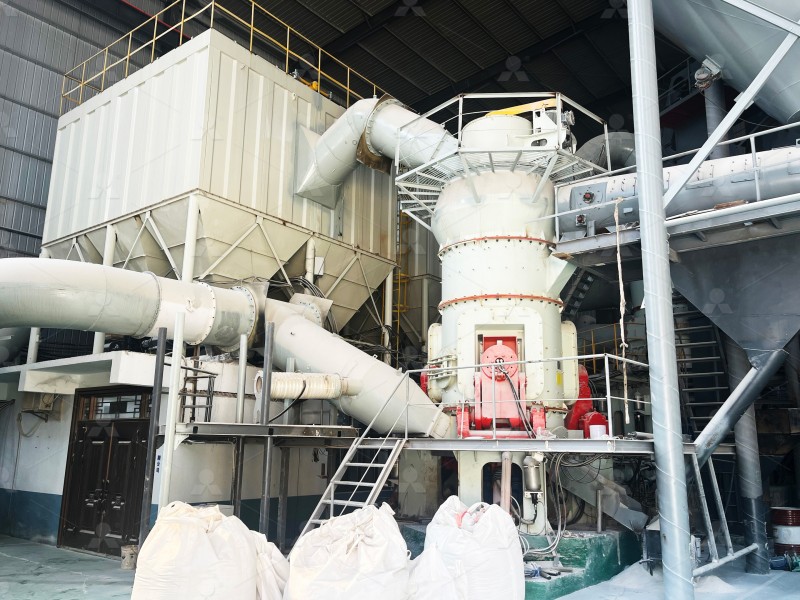
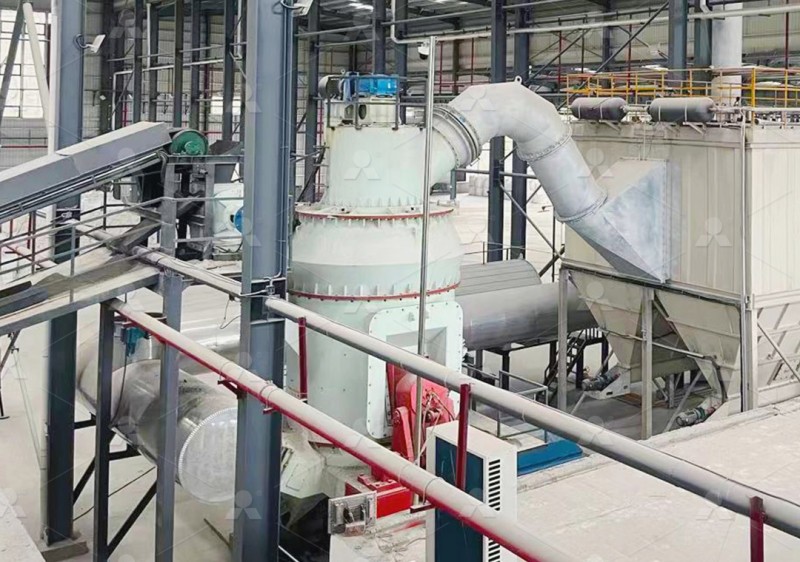
The Liming LM Vertical Roller Mill is the industry standard for high-capacity powder processing. It integrates crushing, drying, grinding, classifying, and conveying into one unit.
The Monsoon Advantage: Integrated Drying
This is the specific feature that saves Indian plant owners. During the monsoon, open-pit dolomite absorbs moisture. A ball mill or standard Raymond mill will clog if the moisture content exceeds 6%. You would need to buy a separate, expensive rotary dryer.
The LM Vertical Mill circulates hot air (from a heat generator or kiln exhaust) directly inside the grinding chamber. It can handle raw materials with high moisture content and dry them while grinding. You feed wet stone; you get dry, free-flowing powder. This capability alone justifies the investment for year-round operation in India.
Energy Efficiency and Automation
The LM series operates on a material bed grinding principle. Without getting too bogged down in physics, it means the machine uses the stone to grind the stone, rather than metal smashing stone indiscriminately. This results in 30% to 50% less energy consumption compared to ball mills. Over a year of 24/7 operation, the savings on your electricity bill are typically enough to pay for a significant portion of the machine.
Additionally, the LM series is designed for PLC control. In a market where skilled labor can sometimes be transient, having a system that automates pressure, speed, and temperature ensures your product quality remains consistent regardless of who is sitting in the control room.
Sourcing and After-Sales: The Liming Difference
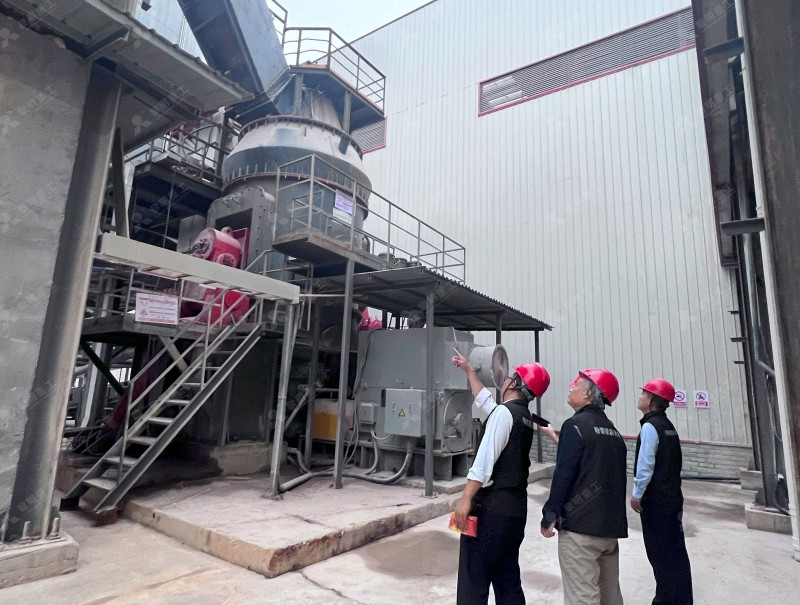
The question in the title is "Where to get." You can buy mills from many places, but the reason I steer clients toward Liming Heavy Industry is the ecosystem. A machine is only as good as the support behind it.
Dolomite processing is abrasive. You will need spare parts. You will need grinding rollers, rings, and liners. Liming has established a robust supply chain that services the Indian market effectively. They do not just ship a container and disappear. They understand the geology of Indian dolomite.
When you source from Liming, you are typically engaging in a consultative process. We look at your specific dolomite sample. What is the silica content? What is the Bond Work Index? Based on this, we configure the metallurgy of the wear parts. This level of customization is rare among budget suppliers but standard for Liming.
Final Thoughts for the Indian Buyer
The Indian construction sector is pivoting toward quality. The "chalta hai" (anything goes) attitude regarding material specifications is dying out, replaced by strict BIS standards. Whether you are producing filler for high-strength concrete or fine aggregate for road base, your output needs to be precise.
If you are budget-conscious but demand quality for medium output, the MTW Raymond Mill is your best bet. It is the modern evolution of a proven classic.
If you are building a legacy plant with high output and need to mitigate energy costs and moisture issues, the LM Vertical Roller Mill is the superior choice.
Don't compromise on the heart of your production line. In the rugged terrain of India's mineral sector, durability is the only currency that matters.
Frequently Asked Questions (FAQ)
1. What is the difference between the MTW Raymond Mill and a traditional pendulum mill?
The MTW is a significant upgrade over traditional pendulum mills. It features an integral bevel gear drive (no belts to slip), an internal thin-oil lubrication system (no manual greasing shutdowns), and a curved air duct design that improves airflow efficiency. This results in higher output and lower maintenance costs.
2. Can the Liming LM Vertical Mill handle high-moisture dolomite during the monsoon?
Yes, this is one of its strongest features. The LM Vertical Mill introduces hot air directly into the mill, allowing it to dry and grind simultaneously. It can handle raw materials with significant moisture content, eliminating the need for a separate, expensive rotary dryer.
3. Is dolomite harder to grind than limestone? How does this affect the machine?
Generally, yes. Dolomite is slightly harder and often more abrasive than pure limestone. This causes faster wear on rollers and rings. Liming Heavy Industry addresses this by using high-chrome alloys and specialized wear-resistant materials for the grinding components to extend service life.
4. What output size (fineness) can these mills achieve?
Both the MTW and LM mills are equipped with variable frequency classifiers. They can adjustable fineness generally between 80 mesh and 400 mesh (and finer with specific configurations), which covers all requirements for concrete filler and construction aggregate applications.
5. How much space do I need to install a Vertical Roller Mill?
One of the advantages of the LM Vertical Mill is its compact footprint. Because it combines crushing, drying, grinding, and classifying in one vertical unit, it takes up about 50% of the space required by a ball mill system of equivalent capacity. This reduces land acquisition and civil construction costs.
6. Do you provide installation and training services in India?
Yes. Liming Heavy Industry provides comprehensive after-sales service. This includes dispatching engineers to the site for foundation guidance, installation, commissioning, and training local operators to ensure they know how to run and maintain the specific machinery.
7. What is the power consumption difference between the MTW and LM mills?
The LM Vertical Mill is generally more energy-efficient for large-scale production, saving 30-40% energy compared to ball mills. The MTW is also highly efficient for its class (medium scale), but for very high tonnage, the Vertical Mill offers the lowest kWh per ton cost.
8. How do I control dust emissions? Indian regulations are very strict.
Both mill systems are designed to operate under negative pressure. We equip the lines with high-efficiency Pulse-Jet Bag Filters. These collectors are designed to meet strict environmental standards, ensuring a dust-free workshop and compliance with local Pollution Control Board regulations.
9. Can the mill be adjusted to produce different grades of powder?
Yes. You can adjust the product fineness instantly from the control panel by changing the speed of the classifier turbine and the airflow. There is no need to stop the machine to change screens, allowing you to switch between product grades to meet different market demands quickly.
10. Where can I buy spare parts for Liming mills in India?
Liming Heavy Industry has a global service network. We recommend keeping a stock of essential wear parts (rollers, rings, liners) which we help you plan for. We have efficient logistics channels to ship parts to India to minimize downtime.