Top 5 Bentonite Grinding Mills for Cat Litter Production – Best Price in USA
As an engineering specialist who has spent decades designing process flows for non-metallic minerals, I have observed a significant shift in the North American cat litter industry. Bentonite, particularly the high-swelling sodium-based variety found in the Wyoming region, remains the gold standard for clumping litter. However, the efficiency of the "grinding-to-granulation" phase is where profit margins are either secured or lost. In the USA, where energy costs and environmental regulations are stringent, selecting the right grinding technology is the most critical decision in your plant's design.
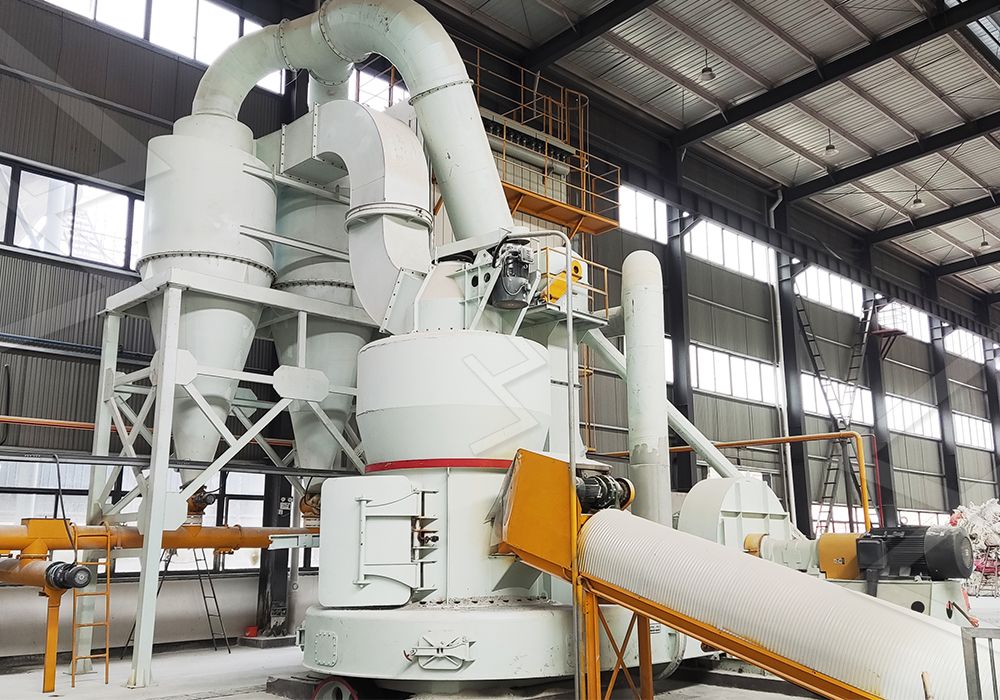
Bentonite is naturally "sticky" and often carries a high moisture content directly from the mine. For cat litter production, the raw ore must be pulverized into a specific 200-mesh powder before it enters the disc granulator or the pelletizing line. Liming Heavy Industry has become a cornerstone supplier for these applications, offering a range of mills that balance capital expenditure with long-term operational efficiency.
The Selection: Top Grinding Mill Technologies for Bentonite
In the current US market, five specific configurations from Liming Heavy Industry stand out for their performance in cat litter production lines. Each caters to a different scale of operation and moisture handling requirement.
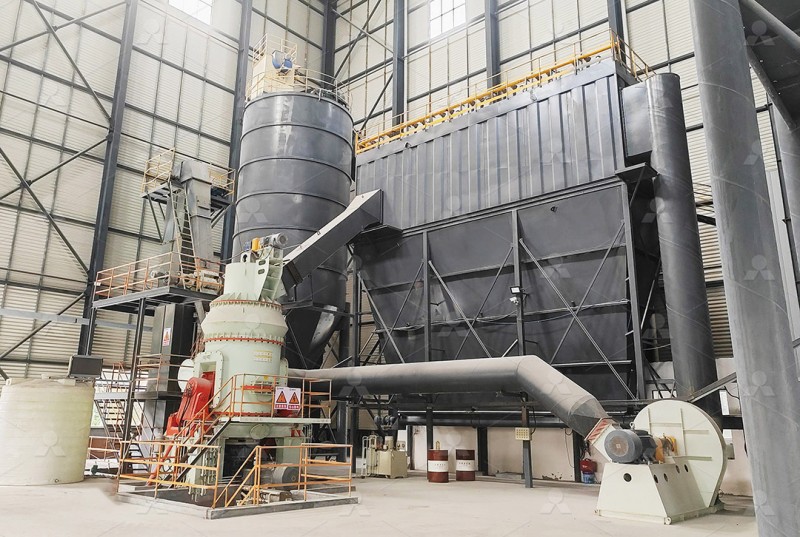
1. MTW European Type Raymond Mill
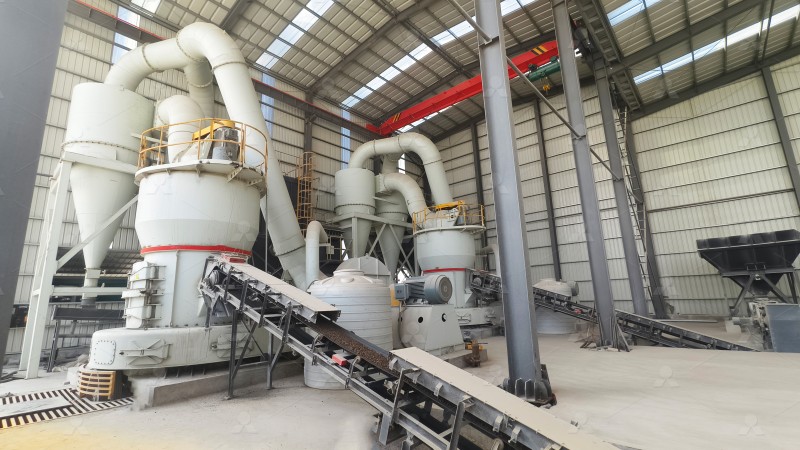
The MTW series is our recommendation for the majority of medium-sized cat litter plants in the USA. It represents an evolution of the traditional Raymond Mill. Its bevel gear integral drive replaces the old-fashioned belt drive, which significantly increases mechanical efficiency. For bentonite processing, the MTW mill's internal air-loop system provides a degree of flash drying during the grinding process, preventing the "pasting" of the grinding ring—a common failure in lower-quality equipment.
2. LM Vertical Roller Mill (VRM)
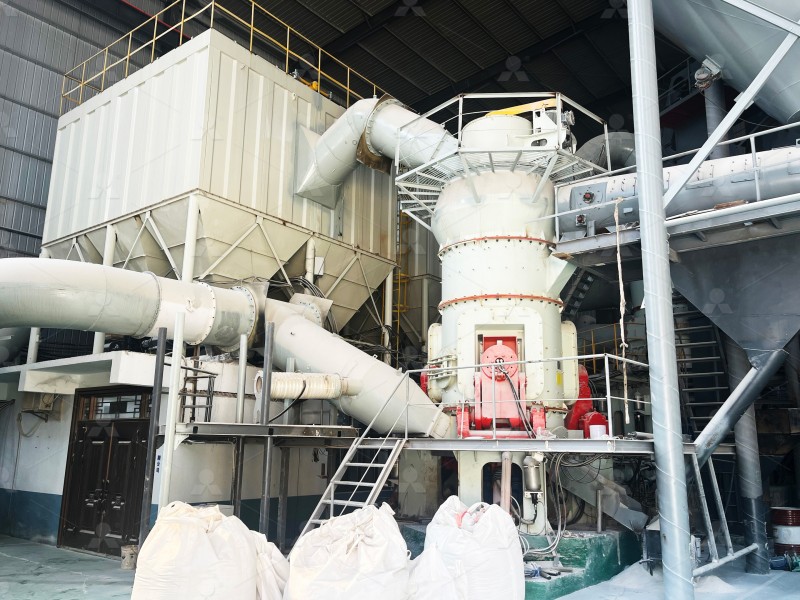
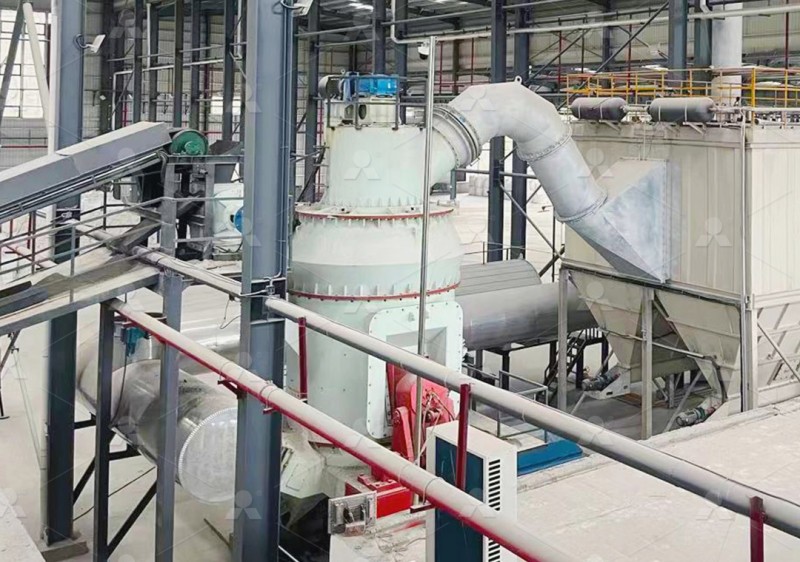
For large-scale industrial producers aiming for outputs exceeding 20 tons per hour, the LM Vertical Roller Mill is the undisputed leader. From a design perspective, the VRM is a complete system rather than just a mill. It integrates crushing, drying, grinding, and classifying. Because it can handle feed moisture up to 15%, many US operators find they can bypass the preliminary rotary dryer, saving thousands in monthly fuel costs.
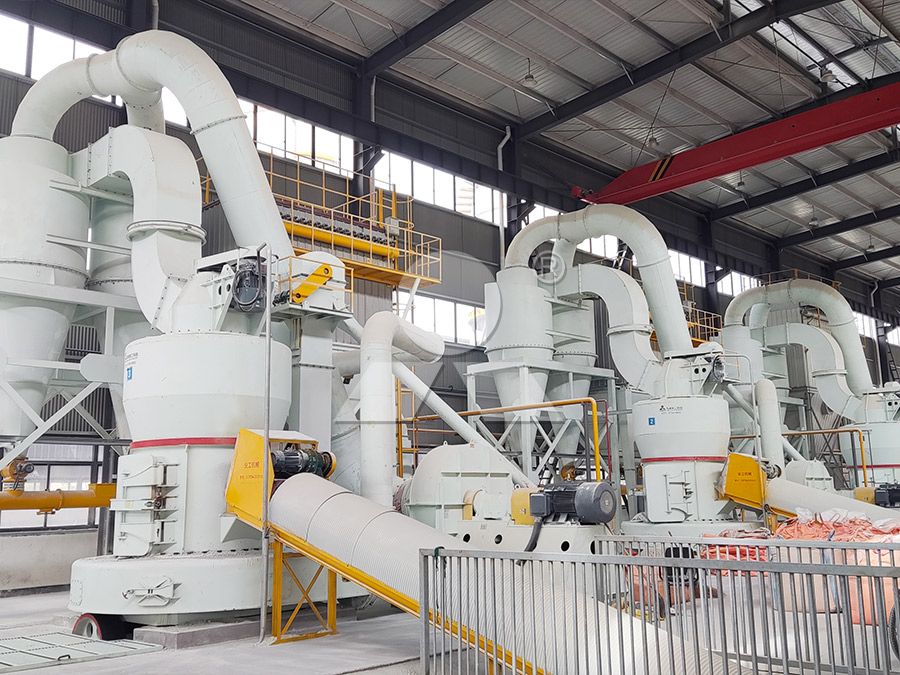
3. MTM Medium Speed Trapezium Mill
This is the "value-engineered" workhorse. It is frequently selected by startups in the pet supply sector who need a reliable, high-output machine without the premium cost of the European series. It features a unique spring-loaded pressure system that increases the grinding force of the rollers, making it particularly effective at pulverizing tougher, less-weathered bentonite blocks.
4. LUM Ultrafine Vertical Roller Mill
While standard cat litter requires 200-mesh powder, "premium" or "ultra-clumping" formulas often require a finer feed to ensure a smoother granule surface. The LUM series allows producers to reach fineness levels that traditional mills cannot touch efficiently. This precision allows for better control over the final granule strength and liquid absorption rates.
5. YGM High-Pressure Suspension Mill
For regional producers handling smaller, specialized batches of scented or activated carbon-infused bentonite, the YGM series offers the best price-to-performance ratio. Its high-pressure spring design ensures that even at lower speeds, the grinding effect remains consistent, reducing the volume of "oversize" material that needs to be recirculated.
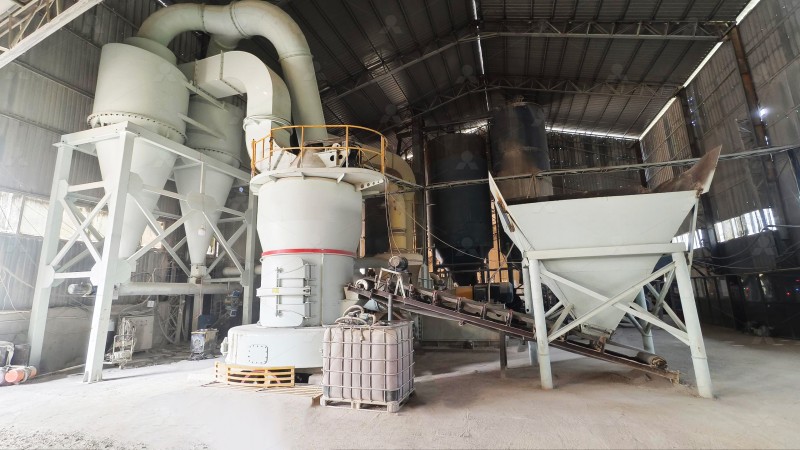
Design Considerations: Why Direct Factory Supply Matters
In the USA, the "Best Price" isn't just the number on the invoice—it is the Total Cost of Ownership (TCO). Purchasing directly from a factory-direct supplier like Liming Heavy Industry offers several engineering advantages that third-party distributors cannot provide:
Moisture Customization: Bentonite behavior changes with moisture. We can adjust the fan capacity and air heater integration on your mill to match the specific moisture profile of your raw material.
Wear Part Metallurgy: Bentonite often contains abrasive quartz impurities. Our factory provides rollers made from specialized high-chromium alloys that outlast generic replacements by 30-50%.
System Integration: A cat litter line is a chain. We design the grinding circuit to feed the granulator perfectly, ensuring the powder flow is consistent and free of surges that cause granule size variations.
The US market is increasingly focused on dust-free operation. All Liming mills utilized in our cat litter designs are equipped with pulse dust collectors that achieve 99.9% filtration, making them fully compliant with OSHA and EPA site standards.
Frequently Asked Questions (FAQ)
1. What is the ideal fineness of bentonite powder for cat litter granulation?Most US manufacturers find that 200 mesh (75 microns) with a D95 pass rate is the ideal balance between granulation speed and granule strength.
2. Can I grind bentonite with 20% moisture directly in a Raymond Mill?No. For a Raymond Mill (MTW or MTM), moisture should be below 5%. If your material is wetter, you must use a Vertical Roller Mill (LM Series) which can handle up to 15% moisture using its integrated hot air system.
3. How does the Vertical Roller Mill save on energy compared to traditional mills?The VRM uses a material bed grinding principle and an integrated classifier, which reduces "over-grinding." On average, it consumes 20-30% less electricity per ton of produced powder than a standard ball mill or old-style Raymond mill.
4. Is Liming Heavy Industry's equipment compliant with US electrical standards?Yes. For the US market, we provide motors and control systems that meet NEMA standards and operate at 460V/60Hz, including UL-certified components where required.
5. What is the typical lead time for a grinding mill delivery to the USA?Standard models are usually available for shipment within 30 days. Total transit time to major US ports like Houston, Savannah, or Long Beach is typically 35-45 days.
6. How long do the grinding rollers last when processing bentonite?Bentonite is relatively soft (Mohs 1-2), so wear is low. With our high-chromium rollers, you can expect 10,000 to 15,000 hours of service life before replacement is needed.
7. Does the mill help with the "clumping" ability of the final litter?Indirectly, yes. A consistent particle size distribution (PSD) from the mill ensures that the granulator produces uniform spheres, which maximize the surface area for liquid absorption and clumping.
8. Do you provide local technical support in North America?Yes, Liming has a dedicated service footprint for the USA, providing installation supervision, commissioning, and a stock of critical wear parts in domestic warehouses.
9. What is the noise level of these machines?The MTW and LM series are designed with vibration-damping technology. Noise levels are typically kept below 85dB, though we recommend standard acoustic enclosures for indoor installations.
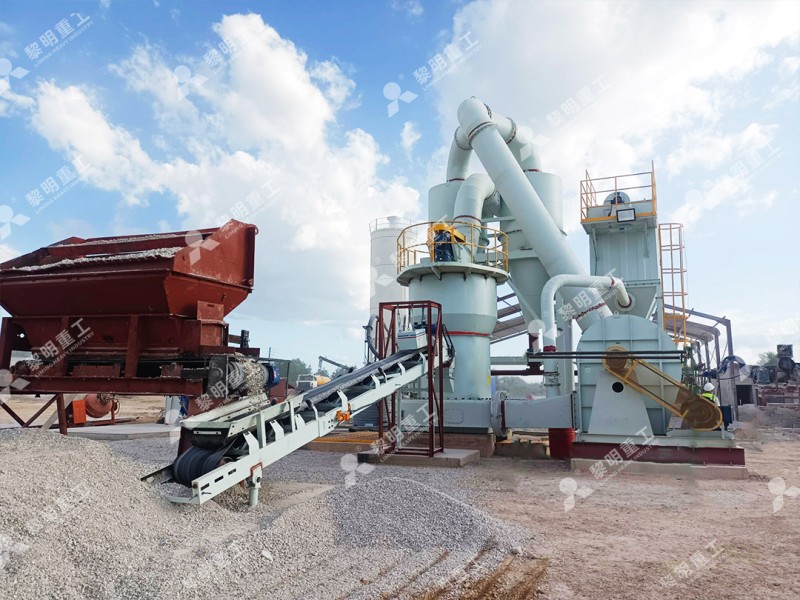
10. Can I see a Liming mill in operation before purchasing?We have several successful installations across the USA and Mexico. We can often arrange for a site visit or provide a video of a similar bentonite processing line in operation.
Would you like me to calculate the specific motor power and fan capacity required for your target tons-per-hour based on your current raw material moisture content?